
Enhancing Critical Thinking Skills
Playing poker is far from being just a game of chance; it is a complex strategic endeavor that compels players to think critically and evaluate situations from various angles. In the heat of the game, players must analyze their own hands while simultaneously considering the possible hands of their opponents. This involves a careful assessment of odds and potential outcomes, especially when engaging with platforms like online casino $10 neosurf , where many strategies are put to the test. Such constant analysis sharpens critical thinking skills as players learn to interpret subtle cues, such as body language and betting patterns, which reveal hidden strategies and intentions of their opponents.
Moreover, the necessity of making rapid decisions under pressure cultivates cognitive flexibility. Those who play poker regularly develop a heightened ability to adjust their strategies in real-time, responding to shifting dynamics and unexpected moves from their opponents. This adaptability is not just vital in poker but is applicable in everyday life, where quick and informed decisions often need to be made with limited information. The skills acquired at the poker table can empower individuals to navigate their professional and personal lives with greater confidence.
As players continue to encounter increasingly intricate scenarios, their ability to anticipate potential outcomes improves significantly. This forward-thinking mindset translates from the poker table to various aspects of life, where strategic planning and foresight are crucial. Whether in the workplace or during personal decision-making, the mental exercises practiced during poker help foster a mindset adept at navigating uncertainty and complexity, enriching the player’s overall cognitive landscape.
Boosting Memory and Concentration
Memory plays an indispensable role in poker, as successful players need to recall rules, strategies, and previous hands played with precision. This ongoing mental engagement serves to enhance both short-term and long-term memory capabilities. Players must focus on remembering their own cards while keeping track of the betting patterns exhibited by their opponents. This dual focus trains their brains to retain and efficiently retrieve information, a skill that proves beneficial in numerous contexts outside of the game.
In addition to memory enhancement, playing poker significantly heightens concentration levels. Unlike many casual games, poker demands sustained attention and focus over extended periods. Players often find themselves completely immersed in the game, tuning out distractions that may otherwise disrupt their thought processes. This practice can lead to improved concentration in daily tasks, where multitasking or interruptions can hinder performance. The discipline fostered through poker can help individuals perform better in both academic and professional settings.
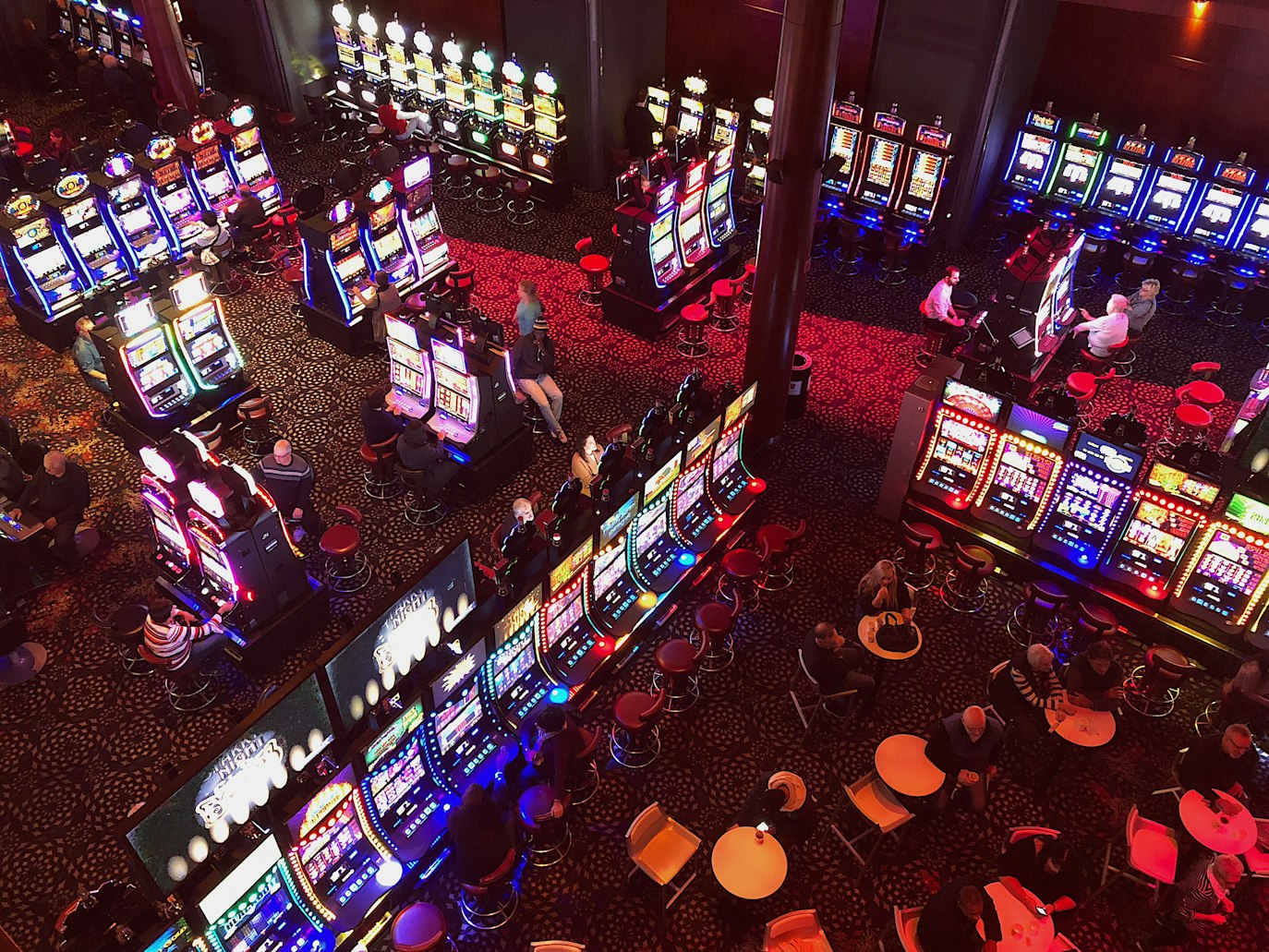
Furthermore, the mental endurance cultivated through poker practice can enhance overall cognitive performance. Just as athletes build physical stamina through training, poker players develop their mental muscles to maintain focus and memory under pressure. Over time, this focus and memory training can yield significant benefits, allowing individuals to approach various tasks with increased efficiency and accuracy, ultimately enhancing their productivity and effectiveness across different domains.
Promoting Problem-Solving Abilities
At its core, problem-solving is intrinsic to poker. Each hand presented on the table introduces a unique set of challenges that players must navigate quickly and effectively. For example, deciding whether to fold, call, or raise involves evaluating a myriad of factors, including pot odds, hand strength, and opponent tendencies. This constant evaluation fosters robust problem-solving skills, as players learn to dissect complex scenarios into manageable components for thorough analysis.
Moreover, the strategic nature of poker encourages innovative thinking. Players often need to think creatively to outmaneuver their opponents. Developing new strategies or bluffing techniques can be the key to securing a win, which requires not only logical reasoning but also imaginative foresight. This innovative mindset is not confined to the poker table; it is a valuable asset in various fields where unique solutions are essential, such as in business, marketing, and technology.
The skills honed through problem-solving in poker empower players to face challenges in life with a solutions-oriented mindset. Rather than becoming overwhelmed by obstacles, they learn to navigate difficulties with confidence, employing both logic and creativity to devise resolutions. Ultimately, this enhanced problem-solving ability can lead to improved decision-making skills across numerous aspects of life, fostering success in both personal and professional endeavors.
Building Emotional Intelligence
Emotional intelligence is a critical component of poker, where understanding emotions—both your own and those of your opponents—can significantly impact the outcome of the game. Players must learn to read their opponents’ expressions and behaviors to gauge their confidence and potential hand strength. This practice cultivates a deeper awareness of emotional cues, thereby enhancing empathy and sensitivity in interpersonal interactions, which can be beneficial in many areas of life.

Additionally, playing poker requires players to manage their own emotions effectively, particularly in high-pressure situations. Learning to maintain a “poker face” or control feelings of frustration or excitement in the face of wins or losses trains players to remain composed and rational. This emotional self-regulation is invaluable in real life, as it fosters resilience and the ability to maintain perspective during challenging times, whether in personal relationships or professional settings.
As individuals refine their emotional intelligence through poker, they often experience improvements in their communication skills and relationships. By becoming attuned to the emotional dynamics at play, they can navigate social situations more adeptly, leading to enhanced personal and professional connections. This heightened emotional awareness and management can be particularly beneficial in collaborative environments, where teamwork and understanding are essential for achieving success.
Explore More at Our Website
If you find the benefits of poker intriguing, we invite you to delve deeper into the world of strategic gaming through our website. We provide a wealth of information on various card games, along with tips and strategies designed to elevate your skills. Our resources are tailored for players of all levels, from beginners eager to grasp the fundamentals to seasoned professionals seeking to refine their tactics.
In addition to game strategies, our platform features insightful articles that explore the psychological and cognitive aspects of gaming. Understanding how games like poker can influence your mental capabilities provides valuable insights that extend well beyond the table. By engaging with our content, you take a significant step toward not only becoming a better player but also enhancing your mental agility in everyday life.
Join our community of passionate poker enthusiasts and discover the myriad ways this captivating game can enrich your cognitive and emotional skills. Whether for fun, competition, or mental exercise, the journey into poker can be both rewarding and empowering. Visit us today and embark on your adventure in the world of poker!