
Exploring the historical evolution of gambling practices through the ages
The Ancient Roots of Gambling
The origins of gambling can be traced back thousands of years, with evidence found in ancient civilizations such as Mesopotamia and China. In Mesopotamia, clay tablets dating back to 3000 BC reveal that early forms of betting occurred through the casting of dice. Similarly, ancient Chinese texts mention gambling as a pastime, including games played with bamboo sticks. These primitive forms of gambling laid the foundation for the practices we observe today, showcasing humanity’s long-standing fascination with chance and luck. Today, a number of online platforms, like luckymister-casino-uk.com, are continuing this tradition in innovative ways.
Moreover, ancient Rome and Greece embraced gambling as a popular activity, often associating it with social gatherings and public entertainment. Romans engaged in games involving dice and betting on chariot races, while the Greeks played a variety of games, including the popular game of knucklebones. Gambling was not merely a means of entertainment; it also represented a cultural phenomenon that reflected the values and social structures of these societies.
As civilizations evolved, so did gambling practices. The introduction of card games during the Middle Ages marked a significant shift in gambling culture. These games quickly spread across Europe, becoming popular among nobility and commoners alike. This transition from primitive forms of gambling to structured games signifies how societal changes influenced gambling, paving the way for more complex betting systems and establishments in the future.
The Impact of the Renaissance and Early Modern Period
The Renaissance was a pivotal era for gambling, as it witnessed the emergence of more organized gaming establishments. The proliferation of gaming houses across Europe signaled a transition from informal betting to a more regulated industry. The invention of printing technology during this period also played a crucial role, allowing for the dissemination of gaming-related literature and guides, which contributed to the popularization of various gambling games.
Additionally, the emergence of lotteries can be traced back to this era. Governments began to organize lotteries as a means of raising funds for public projects. These lotteries not only fueled gambling enthusiasm but also instigated a sense of community as people gathered to participate. The intertwining of gambling with civic duty marked a new chapter in its evolution, highlighting its growing acceptance in society.
The early modern period also saw the standardization of rules for various gambling games, such as poker and blackjack. These developments facilitated fair play and drew in a broader audience. The structured nature of these games provided a more engaging experience, leading to the establishment of gaming clubs and casinos that would become central to the gambling industry in subsequent centuries.
The Rise of Casinos and Legalization
The 17th and 18th centuries witnessed the rise of casinos as prominent institutions where people gathered to gamble. The establishment of the first official casino, the Casino di Venezia in Italy, set a precedent for future gaming establishments. This era marked a shift in gambling from private homes and underground operations to publicly accessible venues, leading to an increase in participation and revenue generation.
Legalization played a significant role in this transformation. Governments recognized the economic potential of gambling and began to regulate the industry. By legalizing casinos and gaming houses, authorities not only brought gambling into the open but also ensured consumer protection and fair practices. The establishment of regulations helped curb illegal operations and promoted responsible gambling, fostering a more sustainable industry.
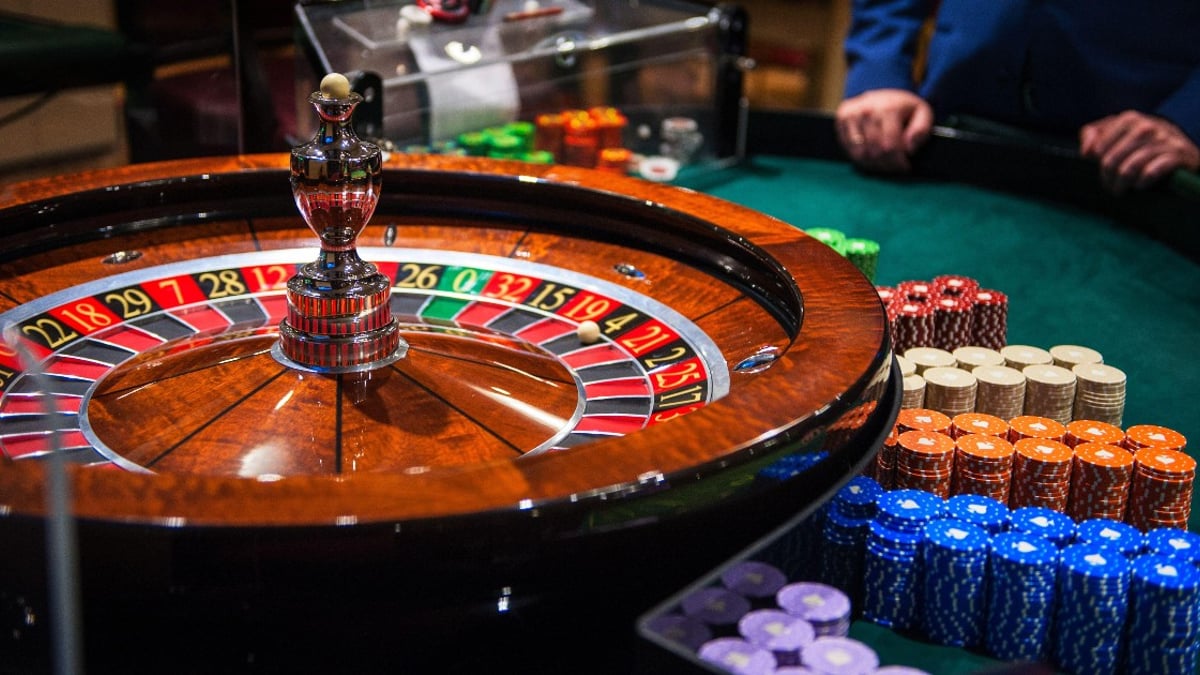
As the popularity of casinos grew, so did the variety of games offered. From roulette and baccarat to slot machines, casinos began to cater to diverse preferences. This diversification attracted a wider audience, creating a thriving gambling culture that spanned continents. Consequently, gambling became not just a pastime but a significant contributor to local economies, offering employment opportunities and tourism benefits.
The Digital Revolution and Online Gambling
The advent of the internet in the late 20th century revolutionized the gambling landscape. Online casinos emerged, allowing players to enjoy their favorite games from the comfort of their homes. This transformation democratized access to gambling, enabling individuals who may not have had the opportunity to visit physical casinos to participate in gaming activities. As a result, online gambling grew exponentially, with millions of players engaging in virtual betting.
Moreover, advancements in technology led to innovations such as live dealer games, which replicate the casino experience through streaming. Players can interact with real dealers and other participants in real-time, enhancing the social aspect of gambling. This development not only increased the appeal of online gambling but also emphasized the importance of technology in shaping modern gaming practices.
The impact of mobile technology further accelerated the growth of online gambling. As smartphones became ubiquitous, gaming apps made gambling accessible on the go. Players could now engage in betting activities anywhere and anytime, transforming gambling into a mobile experience. This shift highlights how technology has continually influenced gambling practices, catering to the changing preferences of players in an increasingly digital world.

Lucky Mister Casino: A Modern Gaming Destination
Lucky Mister Casino represents the pinnacle of modern online gambling, catering specifically to UK players. With over 4,000 games available, it offers an extensive selection that includes popular slots and live casino games. The platform is designed to provide a seamless and engaging gaming experience, combining a user-friendly interface with a variety of payment options, including cryptocurrencies for secure transactions.
The casino’s enticing welcome bonus of up to 725 free spins showcases its commitment to attracting new players. Regular promotions and a rich selection of games ensure that both casual gamers and high rollers find something that suits their preferences. Lucky Mister Casino exemplifies how the industry has evolved, embracing technology to create a comprehensive and rewarding gambling environment.
Additionally, with 24/7 customer support, Lucky Mister Casino prioritizes player satisfaction and safety. This modern gaming platform not only continues the historical evolution of gambling but also sets new standards for what players can expect from an online casino today. By blending tradition with innovation, Lucky Mister Casino highlights the ongoing journey of gambling practices throughout the ages.